
Framed, Frameless, or Inset? What Actually Sets These Cabinet Styles Apart.
If you've started shopping for new cabinets, you've probably run into three terms that get thrown around a lot: framed, frameless, and inset. They describe how a cabinet box is built, how the doors and drawers fit onto it, and how that choice affects everything from your kitchen's overall look to the project cost.
At Coastal Cabinet Works, we carry all three cabinet construction styles, so we can help clients find the one that feels right for them, without pressure to choose one over another.
Framed Cabinetry: The Traditional Standard
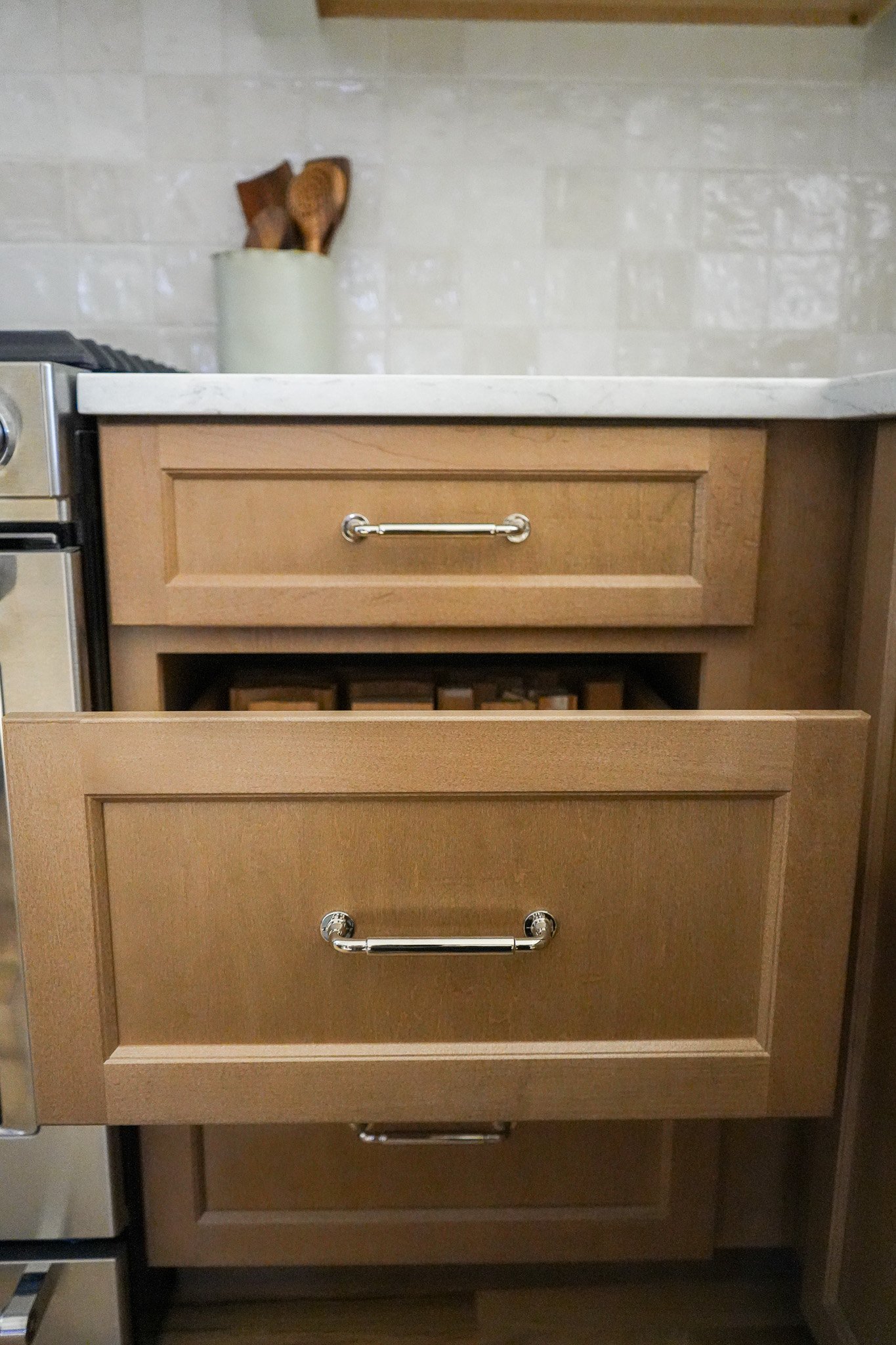
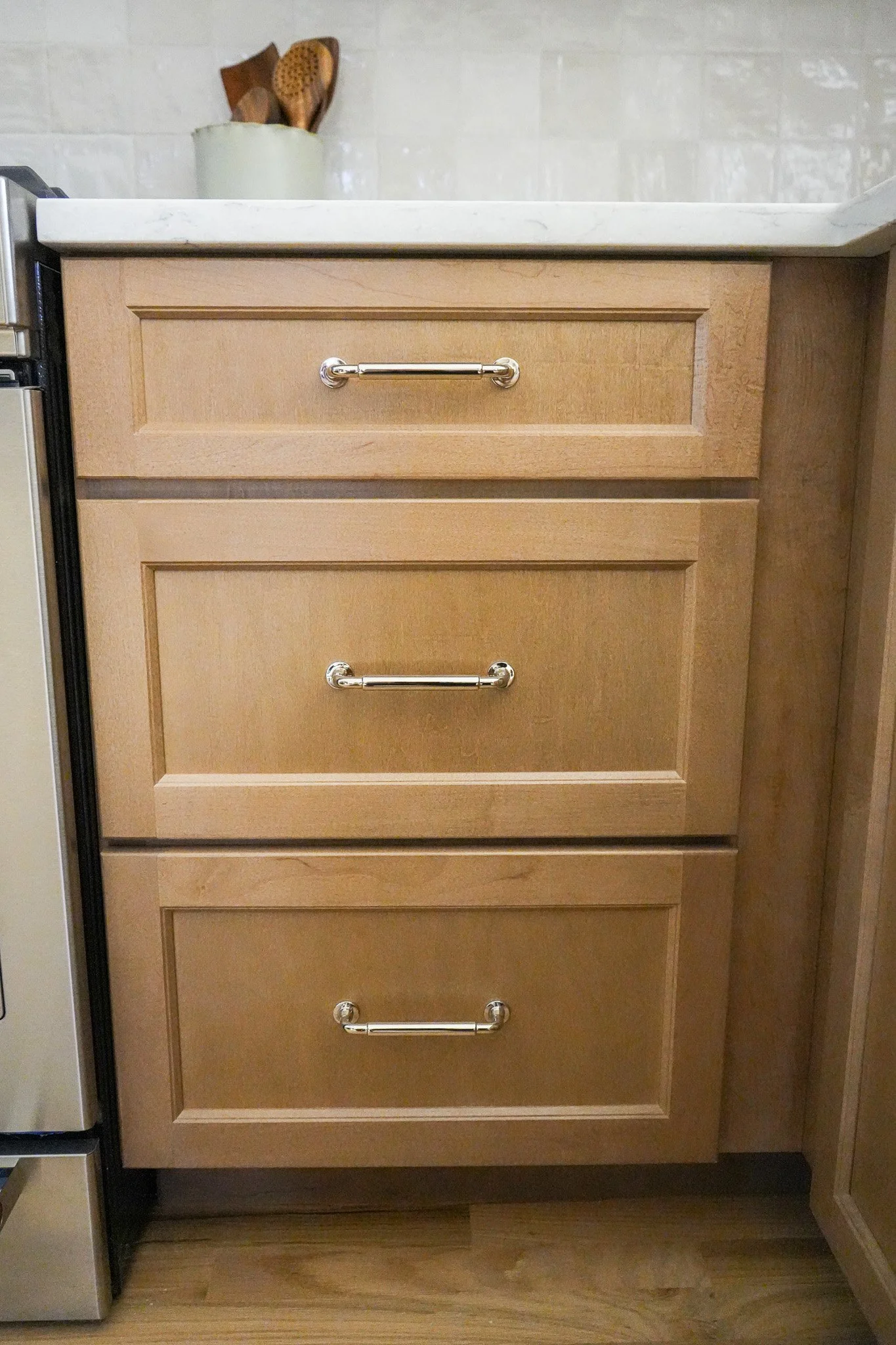
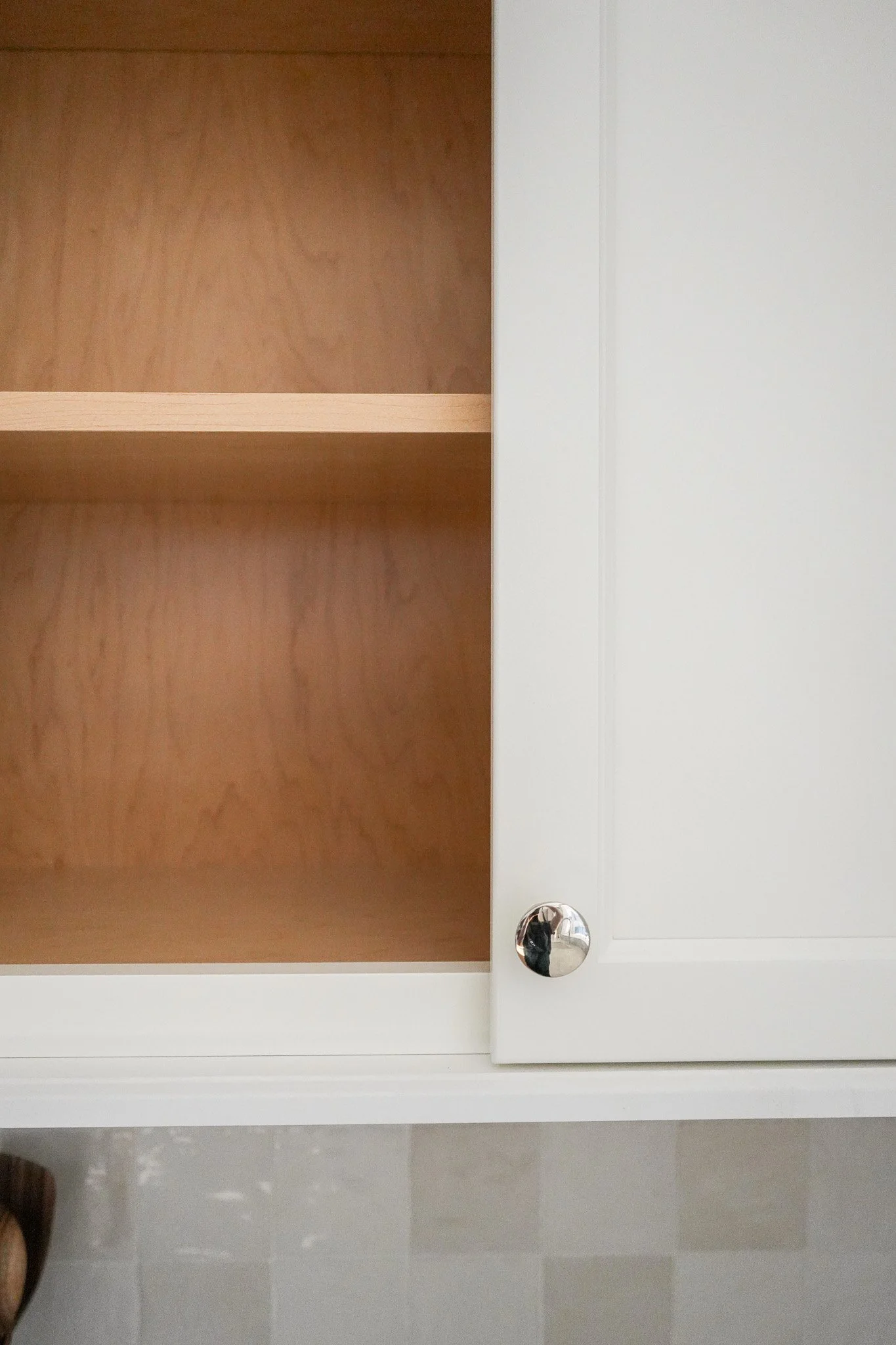
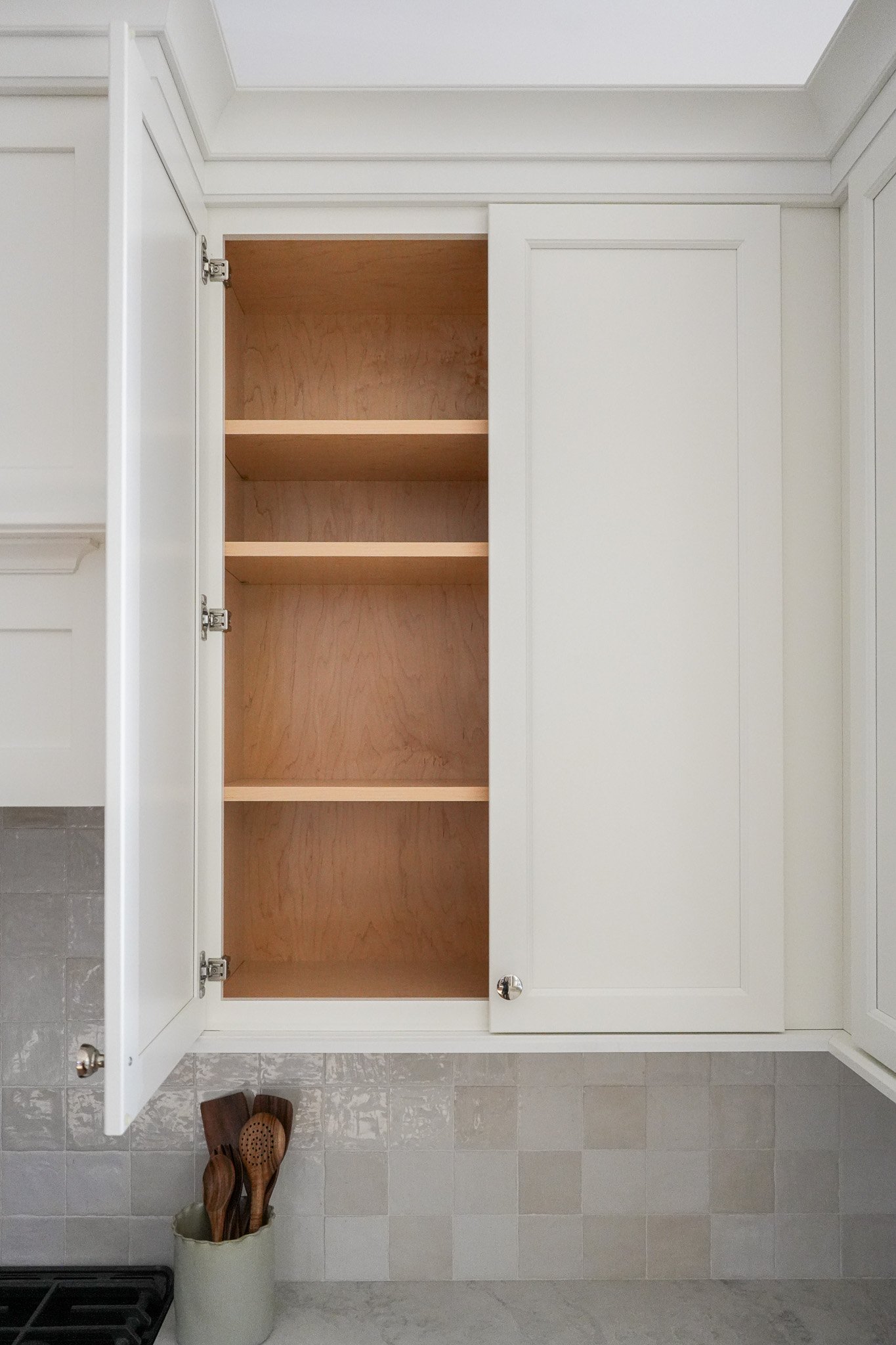
Framed cabinets are built with a face frame — a border of wood attached to the front of the cabinet box. The doors and drawers are mounted on top of this frame, either sitting fully in front of it (full overlay) or partially covering it, leaving a bit of the frame visible around each door (partial overlay).
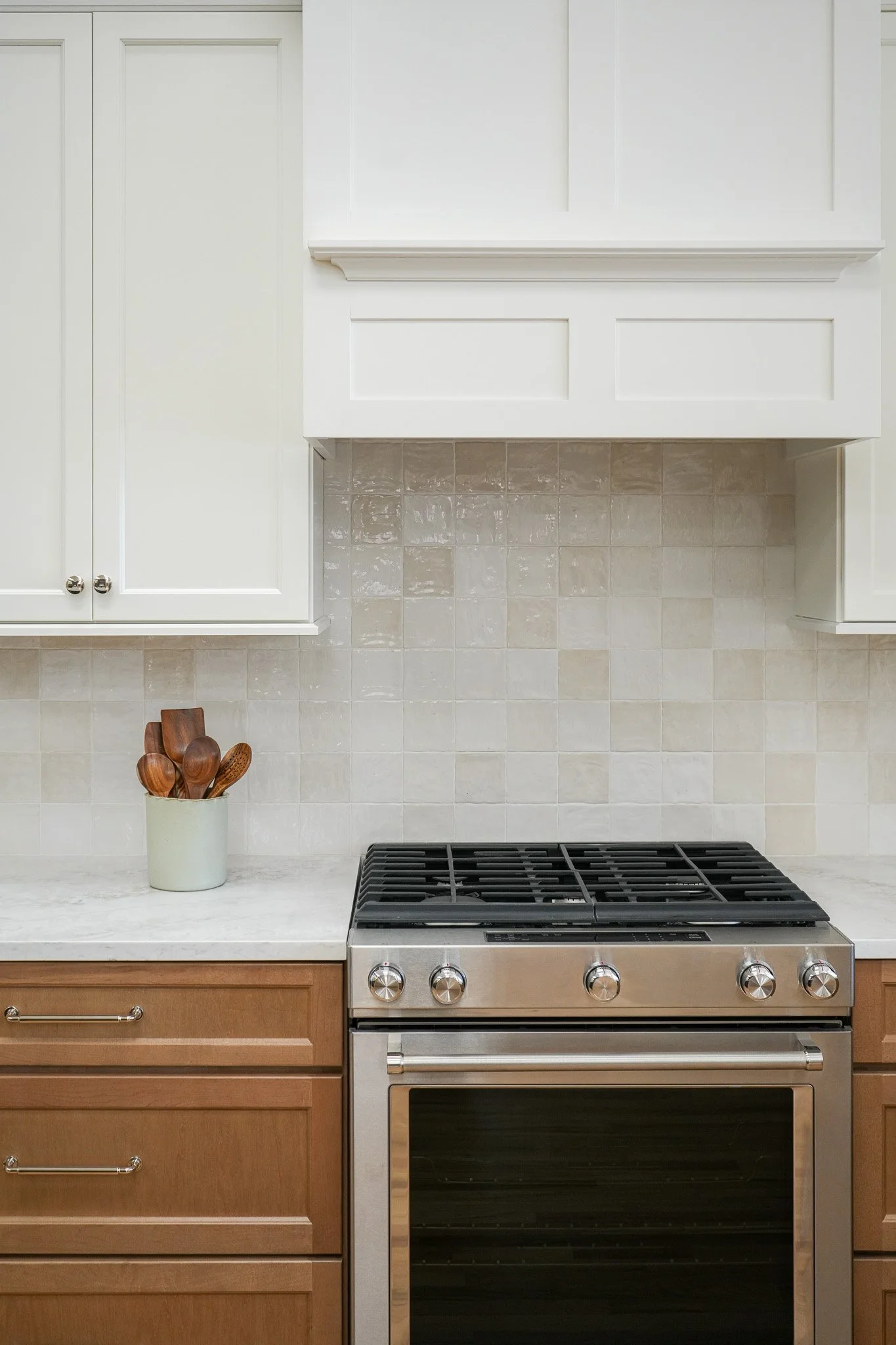
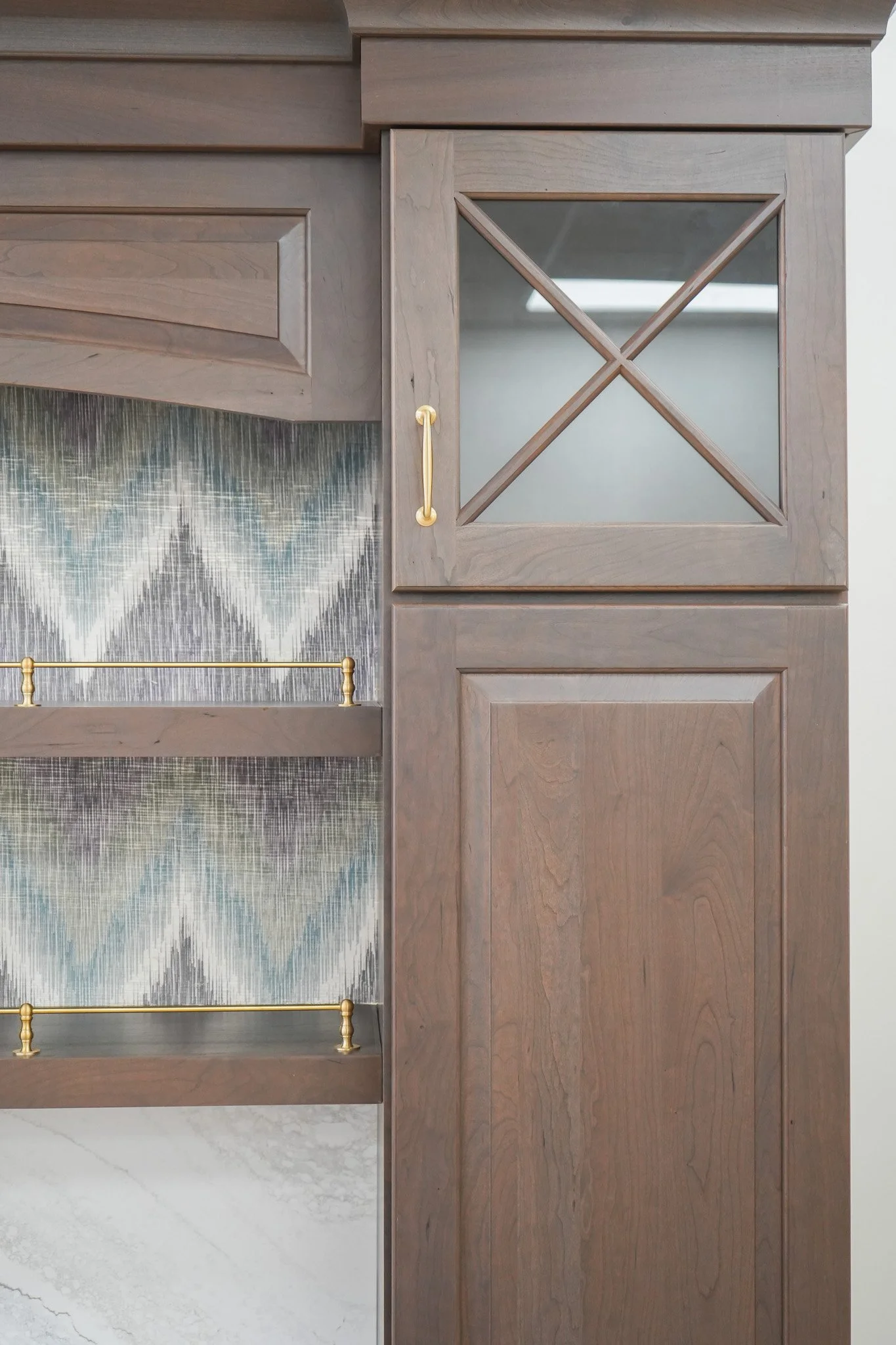
This is the most traditional style of American cabinetry, and it's been the industry standard for decades. Because the face frame adds structural rigidity, framed cabinets are also naturally sturdy and forgiving- it’s easier to adjust doors since they sit on top of the frame rather than fitting precisely inside an opening.
Frameless Cabinetry: The Modern, Streamlined Look
Frameless cabinets, sometimes called "full access" or "European-style" cabinets, skip the face frame entirely. The doors attach directly to the sides of the box, covering the entire front. This creates a clean, seamless look with slightly more usable interior storage space, since there's no frame taking up room at the cabinet opening.
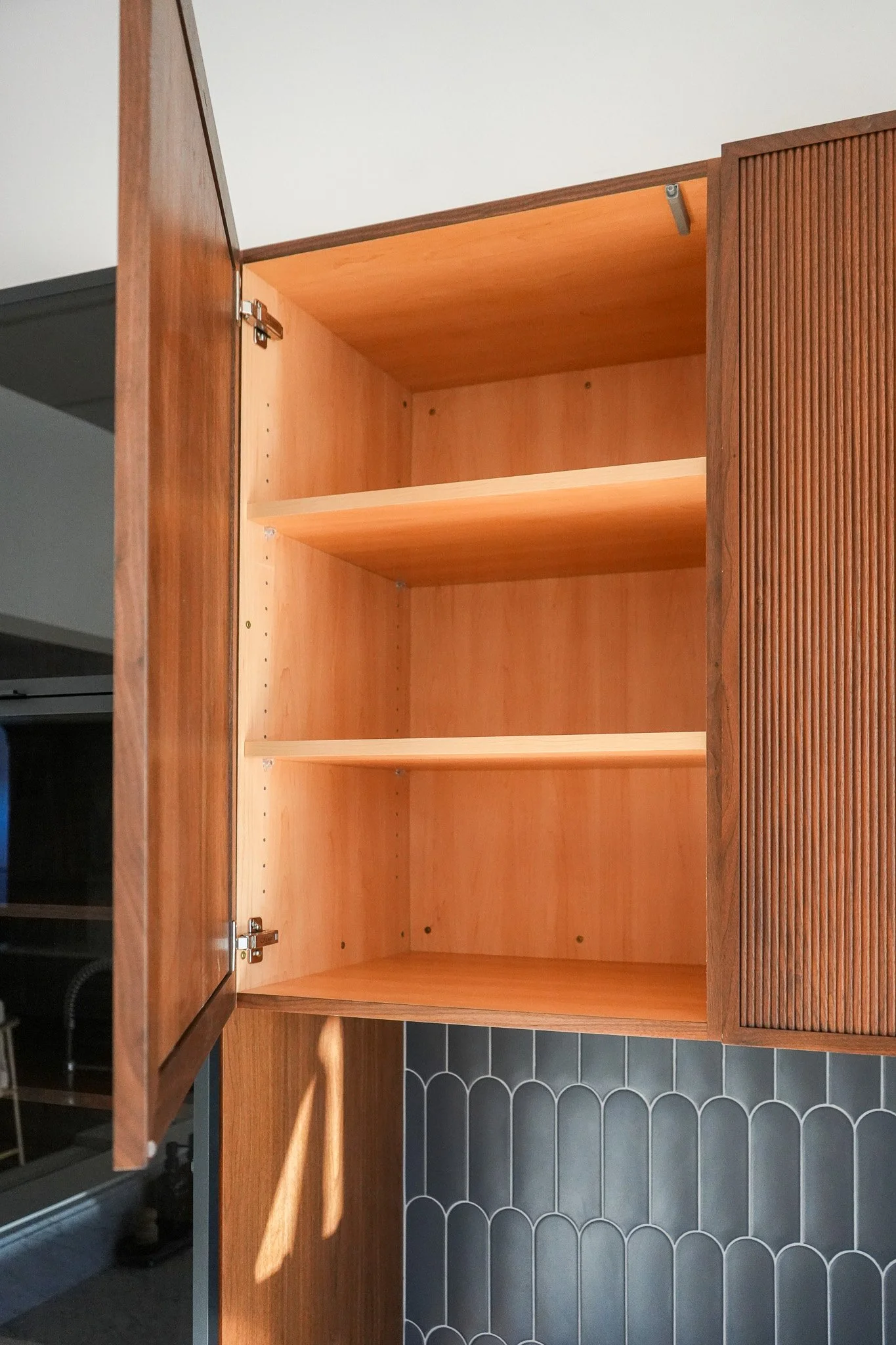
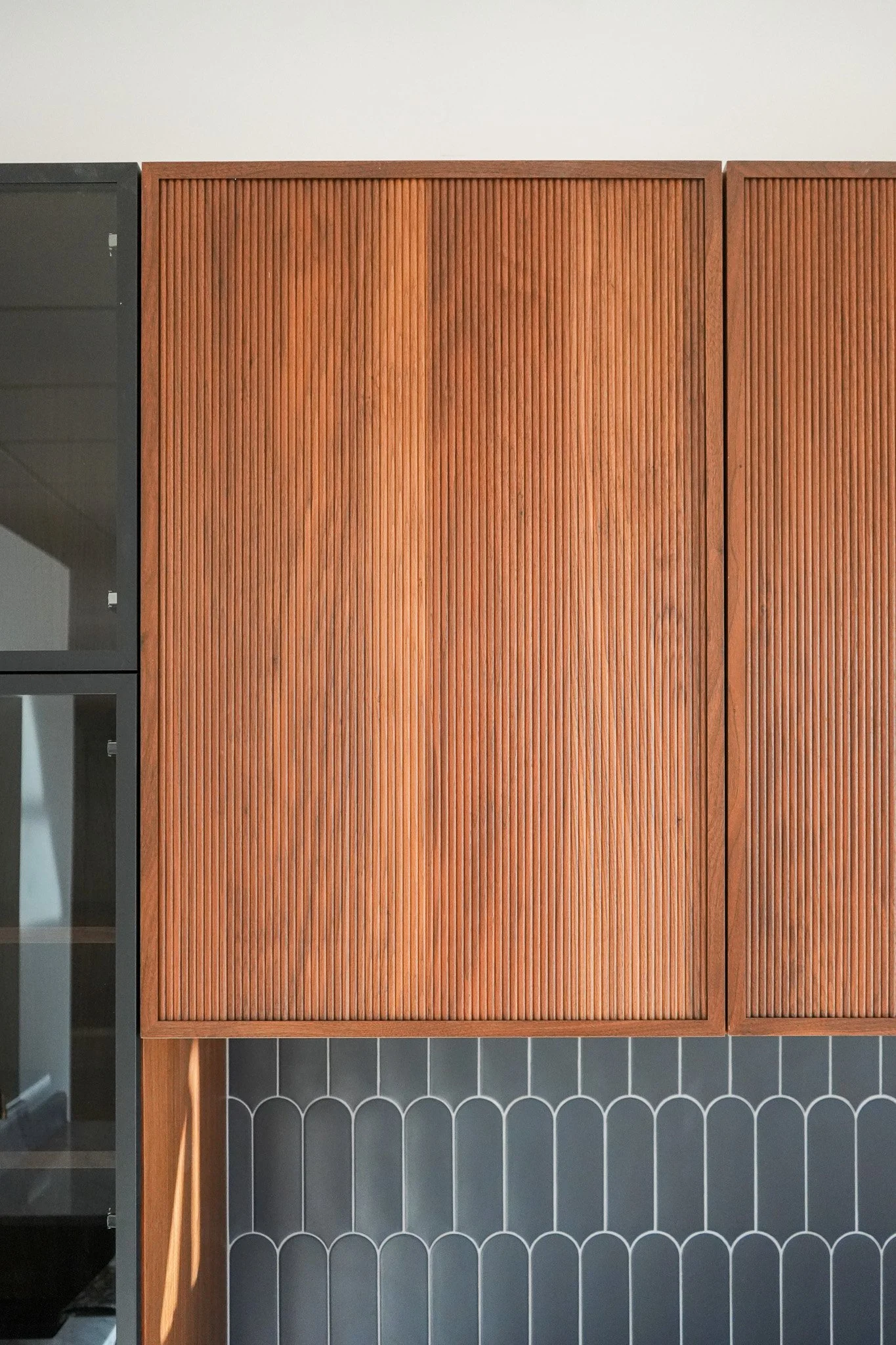
Frameless construction relies on precise box dimensions and quality hardware to keep doors properly aligned over time, since there's no frame to mask small shifts. It's a popular choice for contemporary and minimalist kitchen designs.
Inset Cabinetry: The Custom, Tailored Look
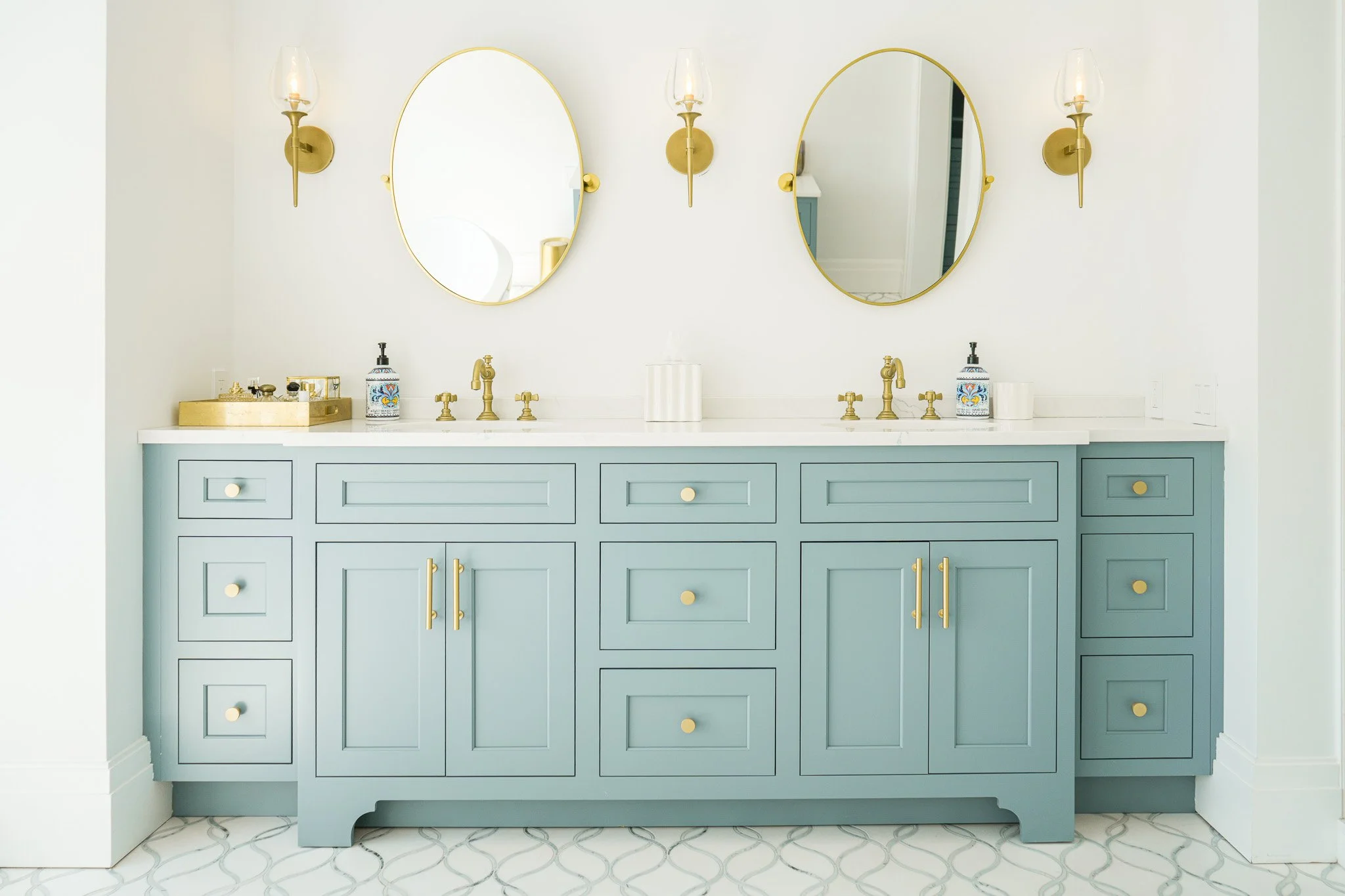
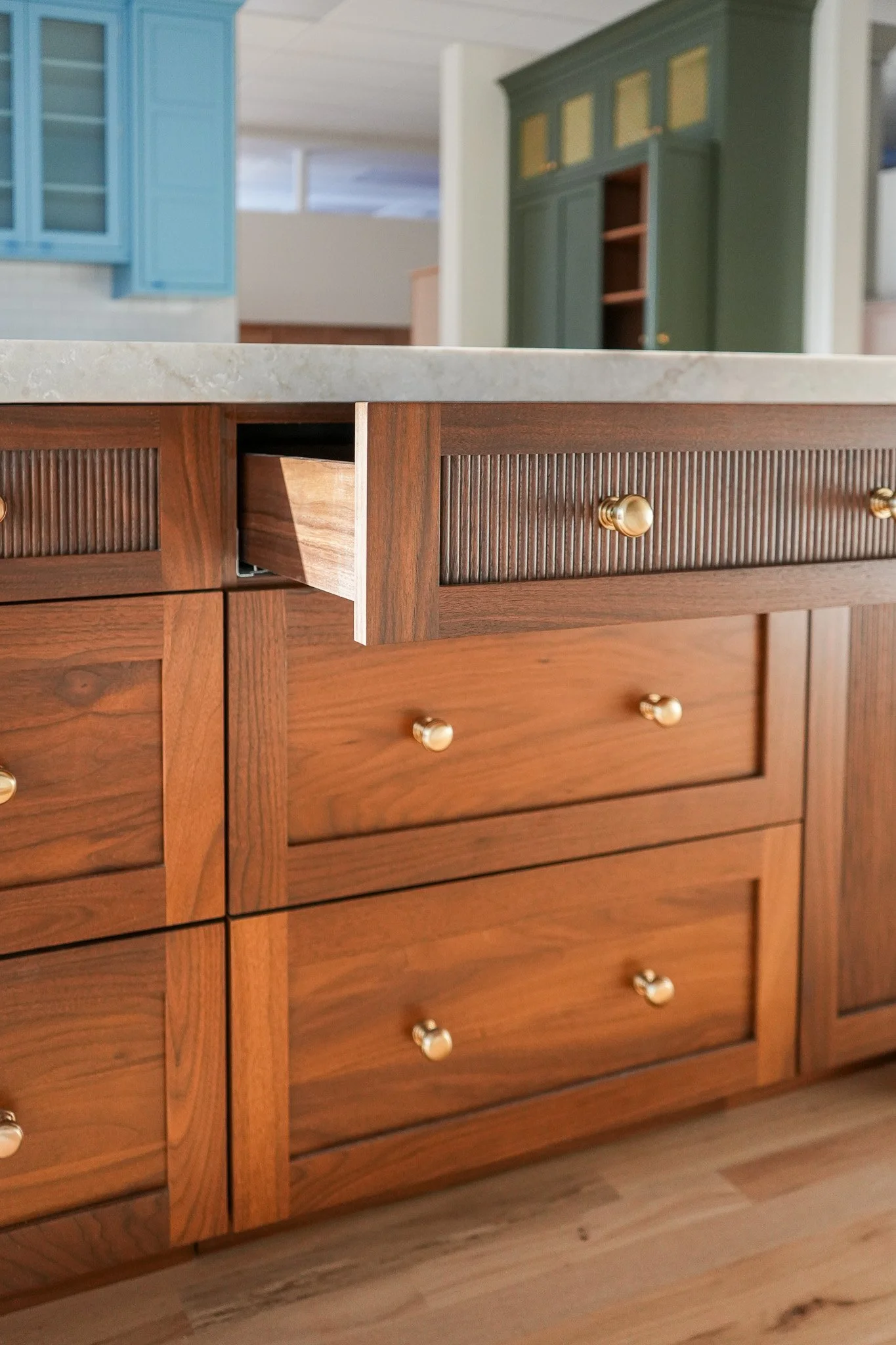
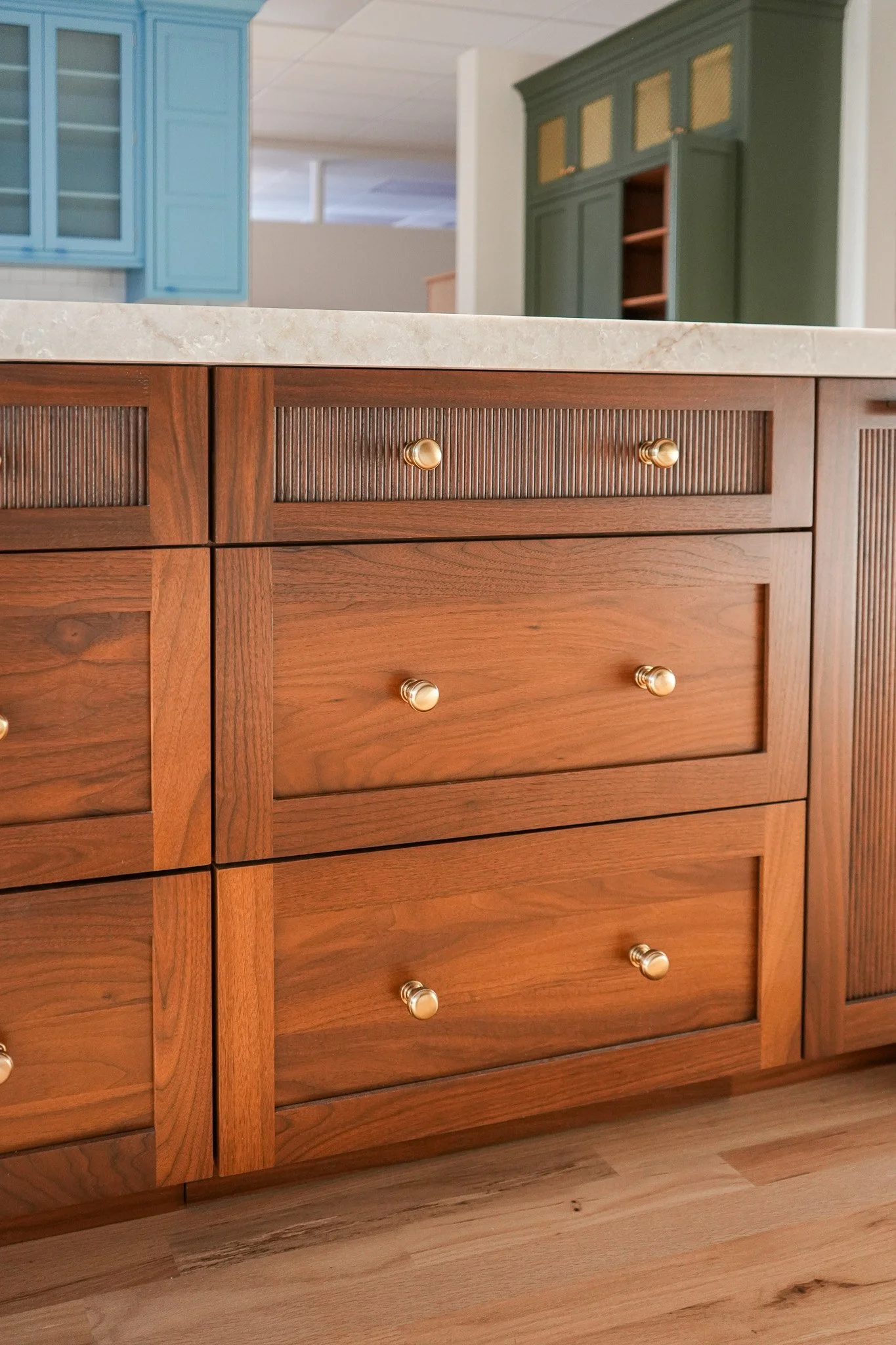
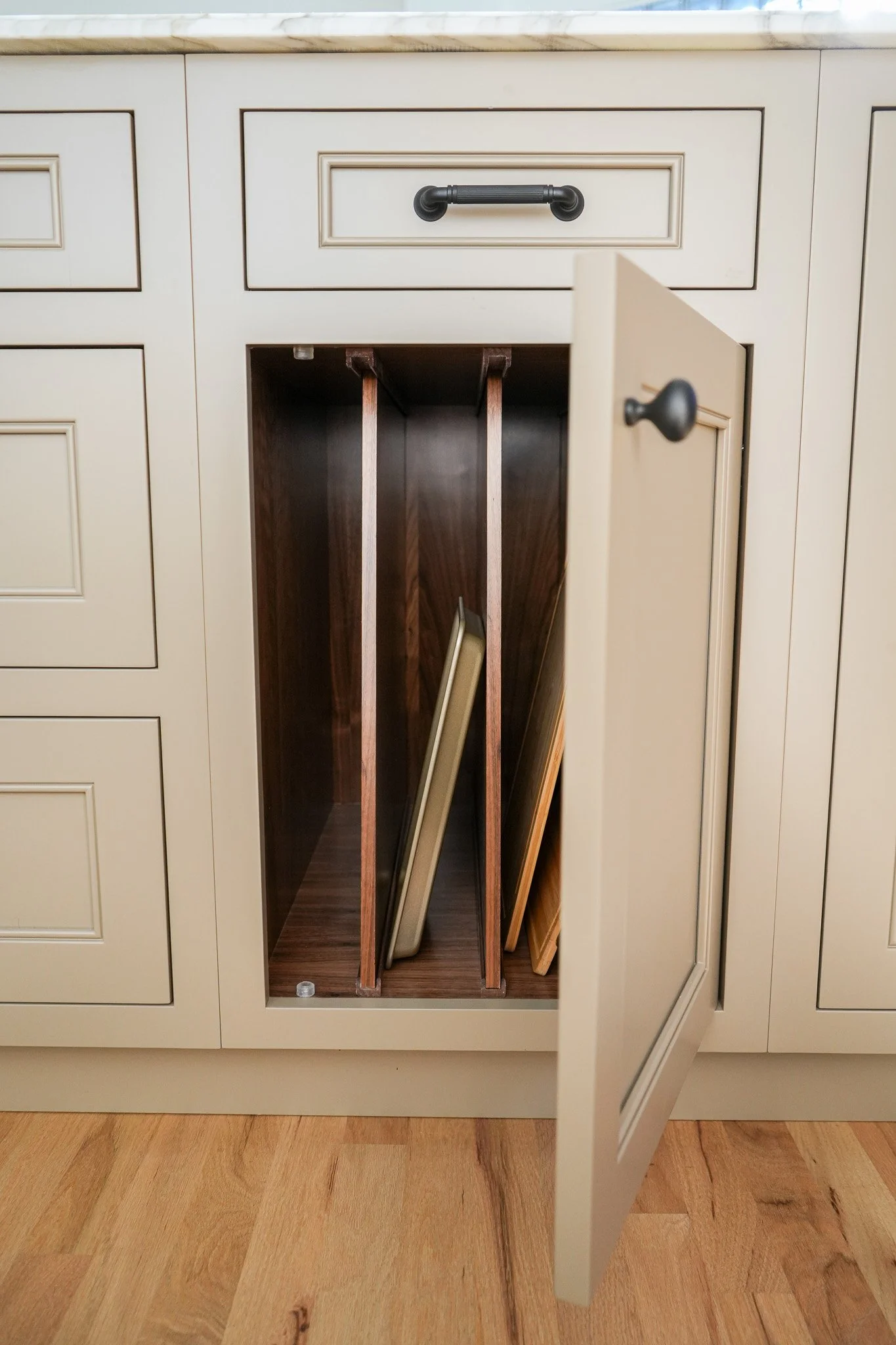
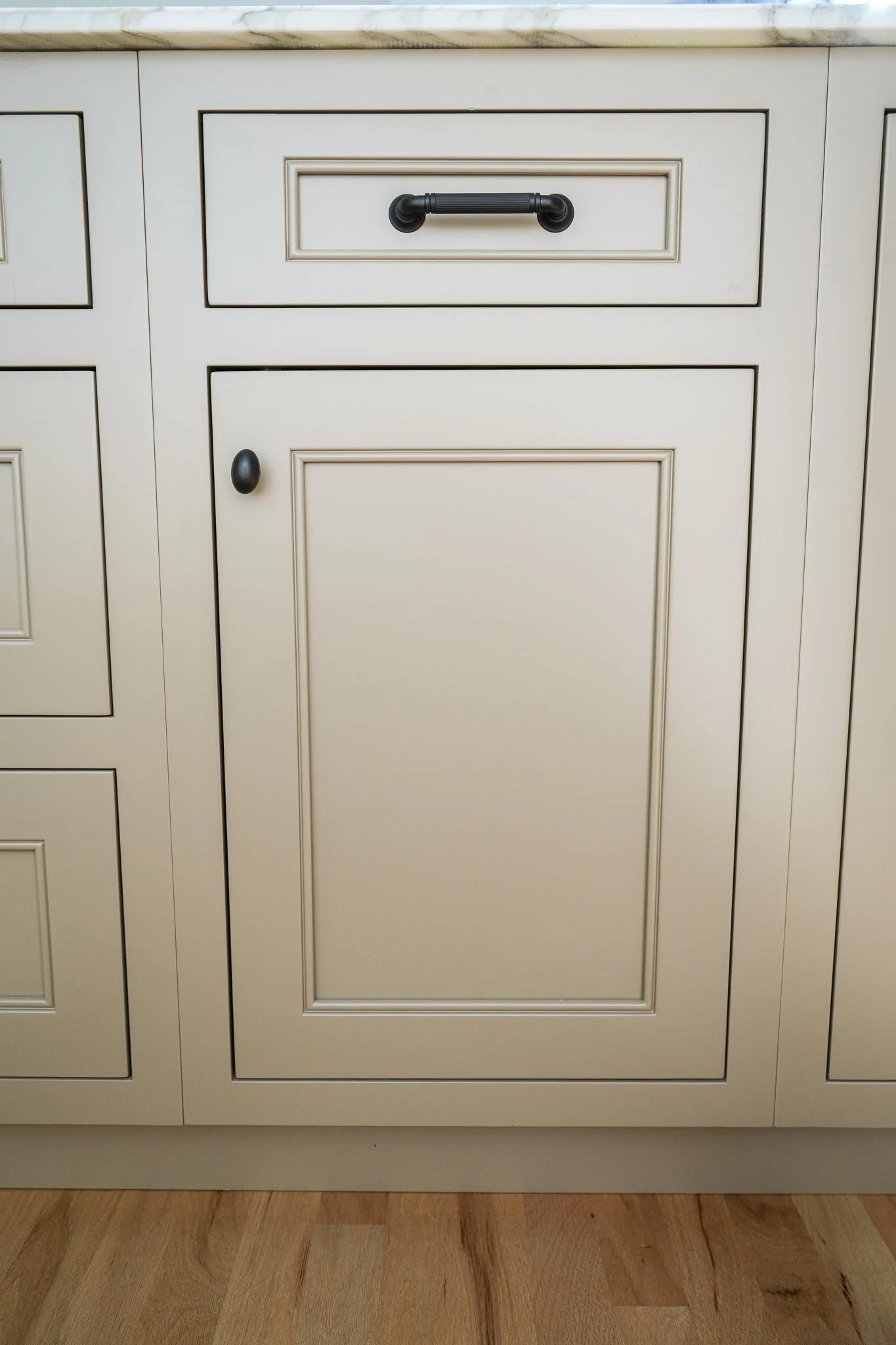
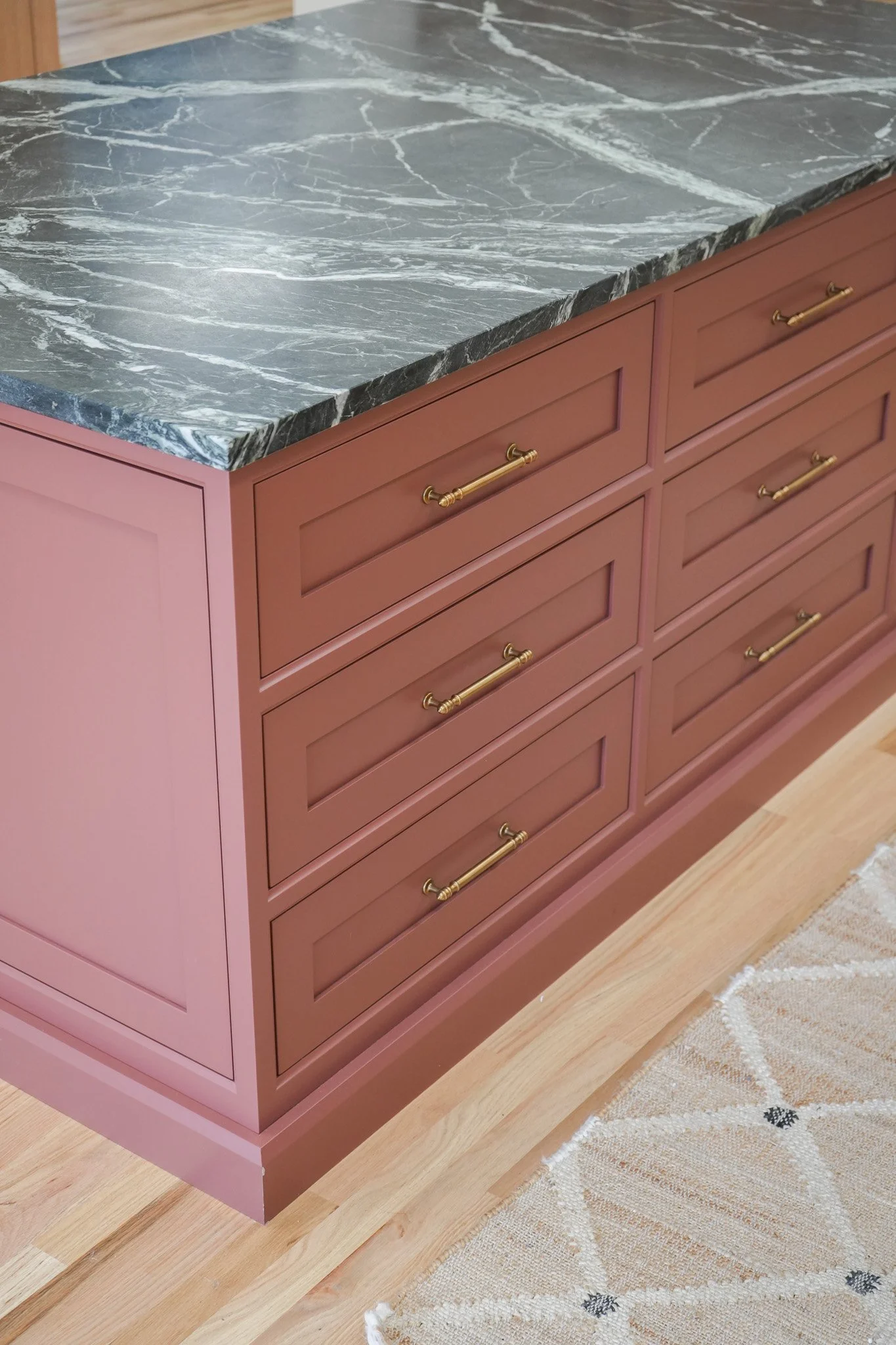
Inset cabinets bring back the face frame, but instead of the doors sitting on top of or in front of it, they're built to fit inside the frame opening, flush with the surrounding wood. It's a clean, tailored look with a small, even reveal (gap) around each door.
It's a timeless style rooted in early American furniture-making, and it also carries the highest price tag of the three. Here's why.
Why Inset Cabinetry Costs More
The short answer: inset cabinetry is more labor-intensive, requires slower, more meticulous production, and demands a higher skill level from the woodworkers building it.
With framed and frameless construction, the door overlaps the cabinet opening, which naturally allows for more flexibility in fit. With inset, the goal is different: every door and drawer front must be cut, fitted, and adjusted individually to sit perfectly within its frame opening, with a consistent gap on all four sides.
That means:
More hand-fitting. Each door is custom-trimmed to its specific opening rather than produced at a large scale to a standard size, since even a well-built kitchen has slight natural variations from one opening to the next.
Tighter tolerances. Inset doors typically need to be fit within a fraction of an inch, which takes more time on the shop floor and more skilled labor to execute consistently.
Slower production. Because so much of the work is done by hand and checked as it goes, inset cabinetry simply can't move through the shop as quickly as overlay styles can.
Specialized hardware. Inset doors often use different hinges (including traditional or semi-concealed styles) designed specifically to let the door sit flush within the frame — these tend to cost more and take more time to install correctly than standard concealed hinges.
In short, you're not paying more for inset cabinetry because the materials are fundamentally different. You're paying for the craftsmanship, precision, and time it takes to get that flush, tailored fit right.
So Which One Should You Choose?
There's no universally "best" option — it depends on the look you're after, your budget, and how you use your kitchen. Customers often ask us this exact question, and our answer is always the same: start with the style you're drawn to visually, then let us walk you through the trade-offs for your specific space and lifestyle.
A few things worth knowing as you decide:
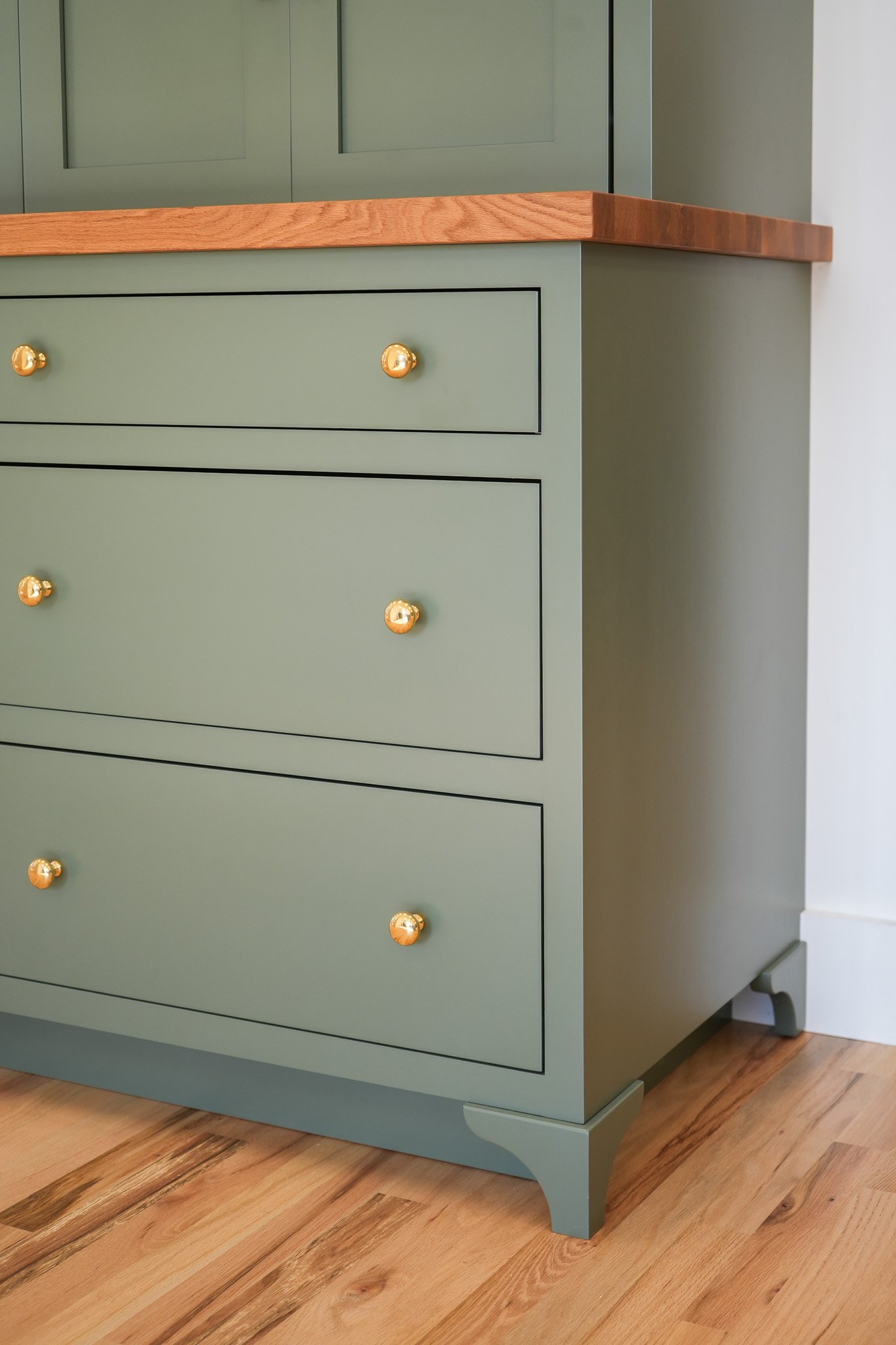
If you love the classic, custom, "built-in furniture" look and don't mind investing more in craftsmanship, inset is hard to beat.
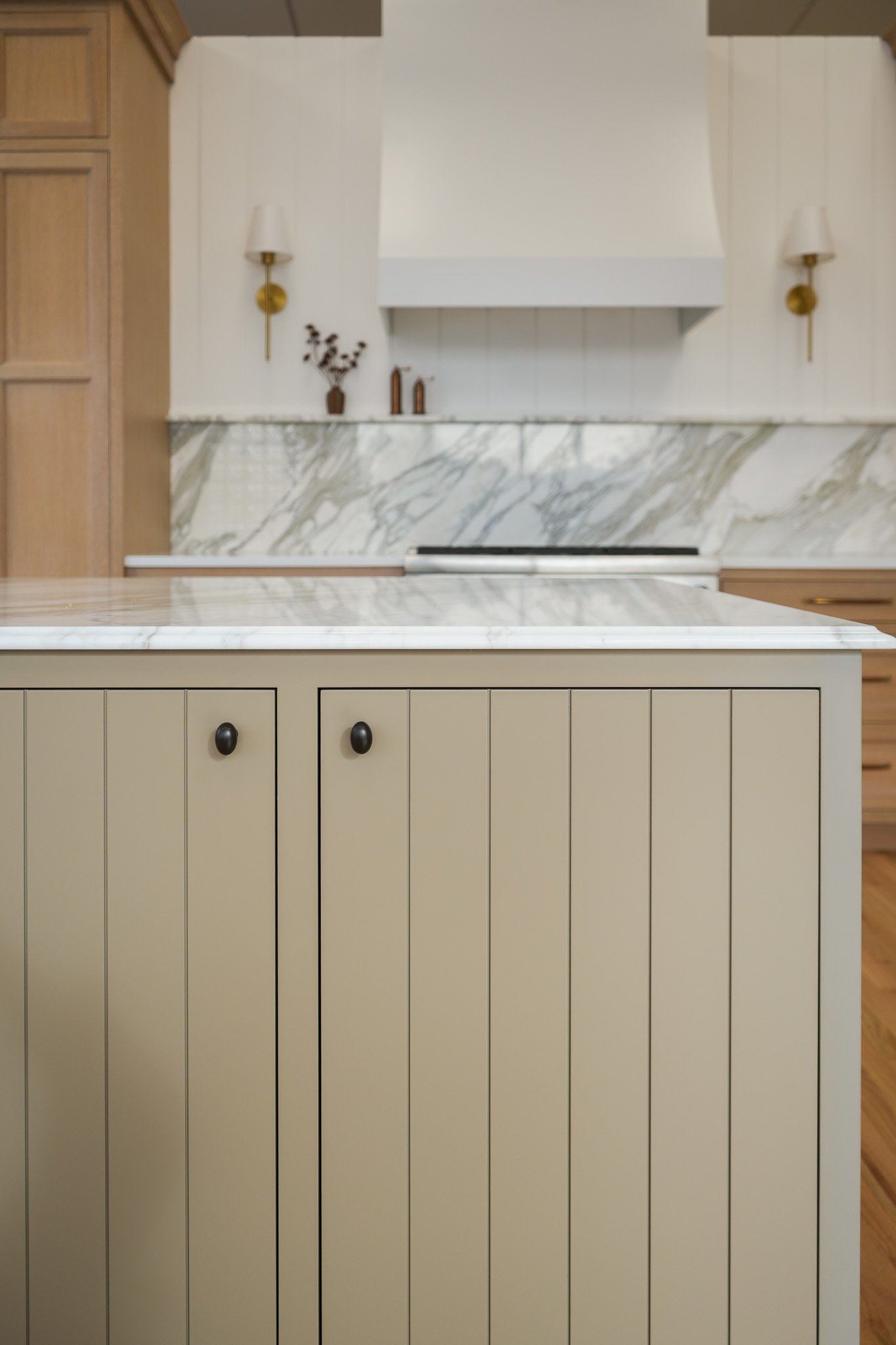
If you want a clean, modern aesthetic with maximum storage access, frameless is a great fit.
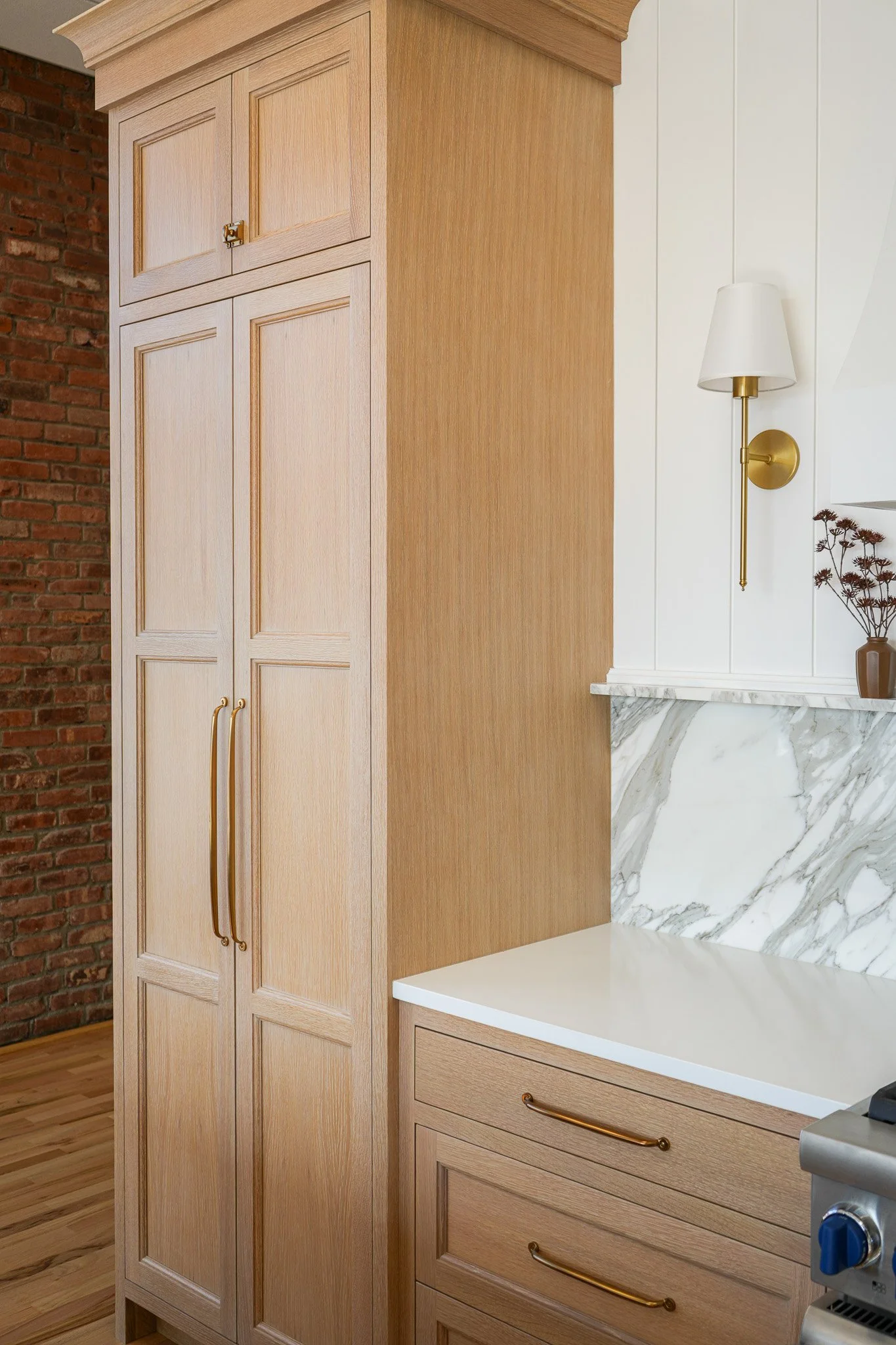
If you want a timeless, versatile look with broad design flexibility, framed remains a dependable, popular choice.
Let's Talk Through Your Options
Whether you're drawn to the clean lines of frameless, the classic versatility of framed, or the tailored craftsmanship of inset, our team can walk you through samples, construction details, and what to expect for your specific kitchen. Contact us or stop by our showroom to see all three styles side by side — sometimes seeing (and feeling) the difference in person makes the decision a lot easier.
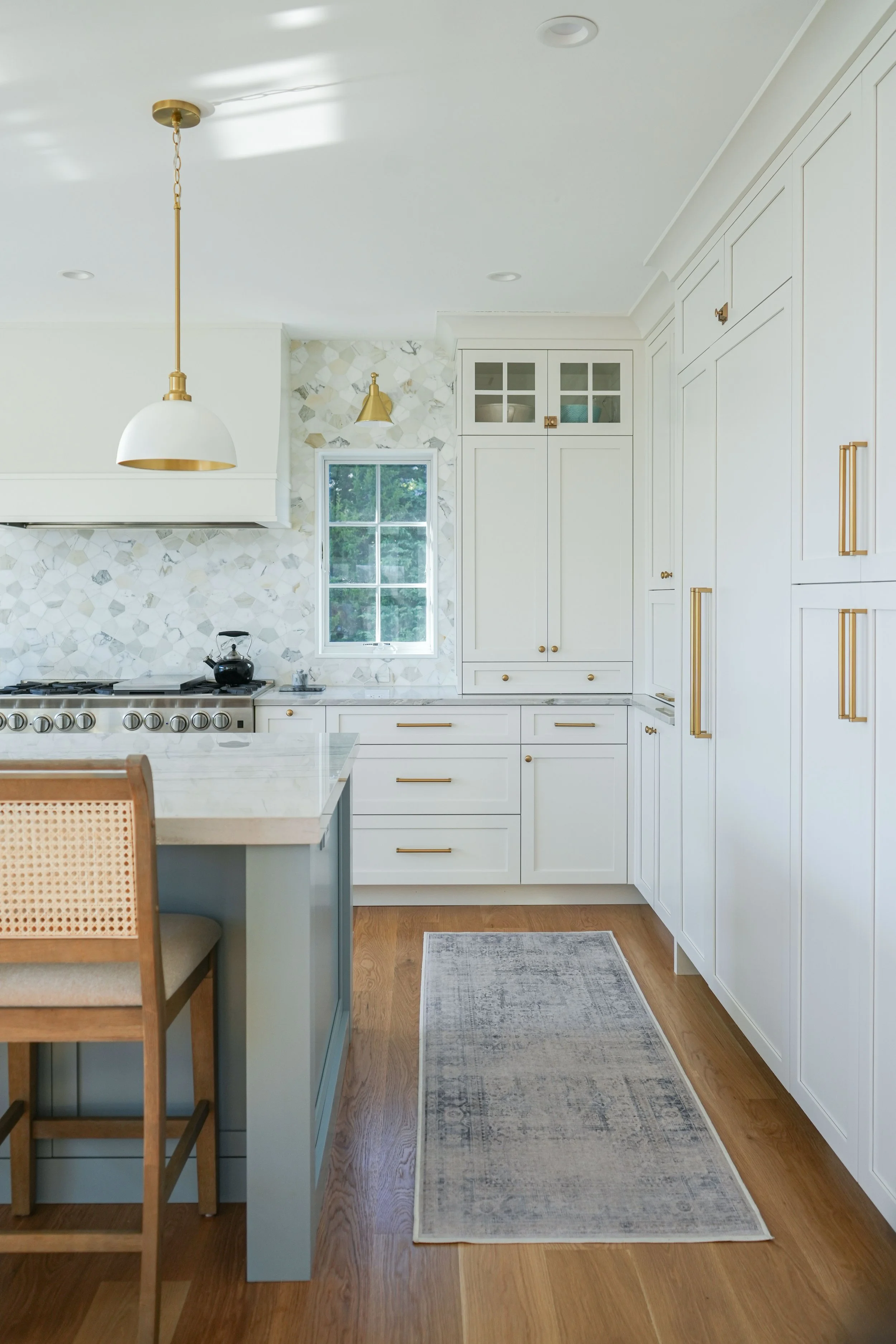
The Fairmont Project
[Frameless Cabinet Construction]